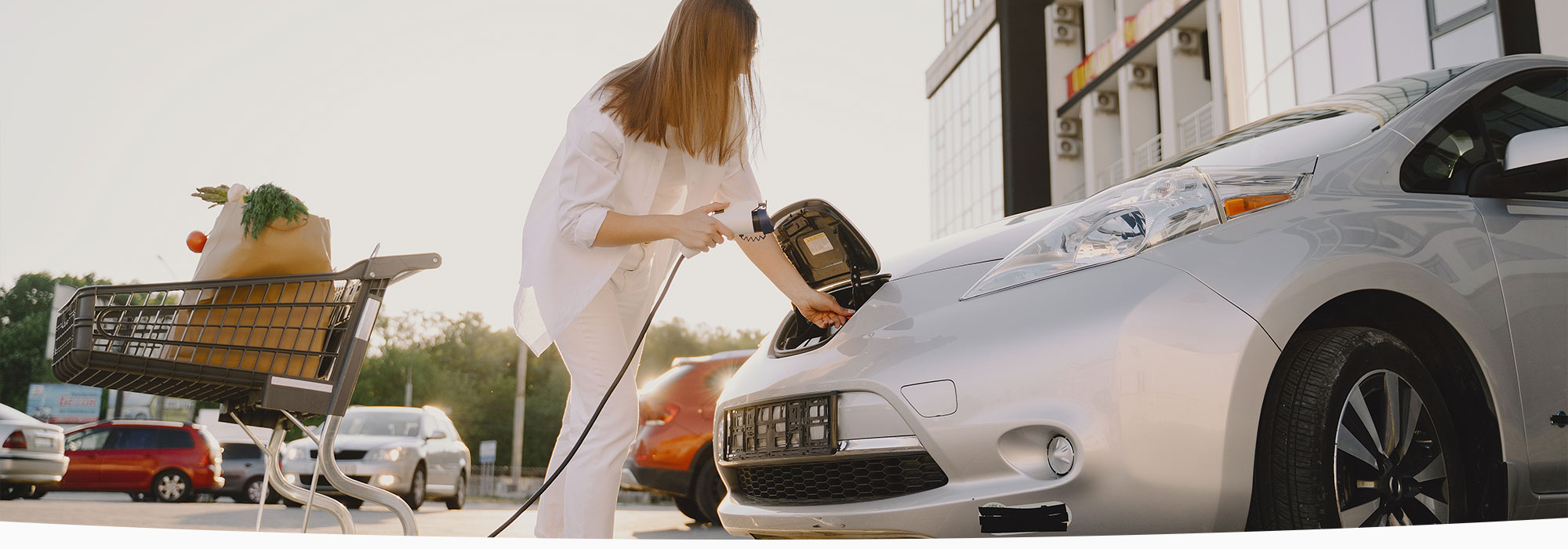
Driving a Nissan leaf on rainy days in Namibia

Driving a Nissan Leaf in the Rain: What You Need to Know
Electric vehicles have become a trusted daily-drive option around the world, and the Nissan Leaf is no exception. But for many drivers—especially first-time EV owners—a common question still pops up: Is it safe to drive an electric car in the rain?
The short answer is yes. The Nissan Leaf is designed to handle rainy weather just as safely as any petrol or diesel vehicle. In fact, it often performs better thanks to its clever engineering and advanced safety systems.
In this article, we’ll break down what to expect when driving a Nissan Leaf on rainy days, plus some practical tips to make your commute smooth and stress-free.
1. Safety First: EVs Are Built for All Weather
Many drivers worry about electricity and water mixing, but EVs like the Nissan Leaf undergo strict waterproofing tests. The entire battery pack and electrical components are sealed and protected from moisture.
Why you’re safe:
- The Leaf’s battery pack is fully enclosed in a watertight casing.
- All high-voltage components are shielded and grounded.
- The vehicle is tested for extreme weather conditions, including heavy rain and deep puddles.
So, you don’t need to panic about driving your Leaf during thunderstorms—it's built for it.
2. Regenerative Braking in the Rain
One of the Leaf’s best features is regenerative braking, which captures energy when slowing down. However, slick roads can slightly change how it feels.
What to keep in mind:
- Regen braking may feel more sensitive on wet roads.
- Switch to “Eco Mode” if you want smoother, softer braking.
- Keep extra distance between you and the vehicle ahead.
The system adjusts automatically for traction, but smooth driving will give you a more controlled experience.
3. Excellent Traction with Front-Wheel Drive
The Nissan Leaf is front-wheel drive, which naturally provides better traction in wet conditions. The weight of the battery under the floor also lowers the car’s centre of gravity, improving stability.
What this means for you:
- Confident handling on wet roads.
- Better grip compared to many petrol hatchbacks.
- Less risk of skidding when accelerating from a stop.
4. Reduced Range on Rainy Days
Rain often means lower temperatures—something EV batteries don’t love. Because of this, you may notice a slight reduction in driving range.
Reasons for lower range:
- Cold weather reduces battery efficiency.
- You’ll likely use the heater, demister, or aircon.
- Wet roads increase rolling resistance.
This is normal for all EVs, not just the Leaf. Planning a bit of extra charge on rainy days helps avoid surprises.
5. Best Practices for Driving a Leaf in the Rain
Here are some tips to make rainy-day driving even safer:
✓ Always use B-Mode or Eco Mode for smoother regen braking
✓ Avoid sudden acceleration on wet roads
✓ Keep your tyres properly inflated for maximum traction
✓ Pre-heat or pre-cool the car while plugged in
✓ Leave extra following distance
✓ Charge a little more than usual, especially on long trips
Final Thoughts
Driving a Nissan Leaf in rainy weather is not only safe—it can be incredibly enjoyable. With its smooth electric power delivery, stable handling, and intelligent safety features, the Leaf performs confidently even when the skies open up. Just follow basic wet-weather driving precautions and you’ll have a smooth, quiet, and efficient ride.
When you subscribe to the blog, we will send you an e-mail when there are new updates on the site so you wouldn't miss them.
